
Cyber Security Month: Advanced AI Security Concepts
The end of our Cyber Security Awareness Month series covers the build: where language models sit, what traffic may leave for AI services, how to harden the model layer, and which records to keep.

The end of our Cyber Security Awareness Month series covers the build: where language models sit, what traffic may leave for AI services, how to harden the model layer, and which records to keep.

With AI reined in, the next question is where to point it: the defensive jobs it does well in a utility, the attacker's reconnaissance run against yourself, and the guardrails that keep it out of the control path.

Last week, at the onset of our Cybersecurity Month blog series, “The Barn Door is Open”, we argued that banning Artificial Intelligence (AI) outright is an illusion of control rather than actual defense. AI tools arrive through a browser, through Software as a Service (SaaS) vendor update, and embedded inside

In the first part of our mini-series, we see how AI is already inside your utility, from the office suite to the plant floor, and most of it arrived as a feature nobody turned on deliberately. To open Cyber Security Awareness Month, we start by finding every place it touches.

Part 1 of our AI Cyber Security Series looked at what attackers are doing with AI and Part 2 established your policy: what to classify, which tools are cleared for use, and who is accountable for the output. This instalment is about reining them in and putting the plan to work.

The first part of our AI Cyber security Series covered how threat actors are using AI. Knowing what attackers can do tells us what to defend against, but it only solves half the problem. What happens when you bring AI inside your own organization?

AI is making cyberattacks faster, cheaper, and more sophisticated—from convincing phishing and AI-assisted espionage to adaptive malware and prompt injection. As threats evolve faster than remediation, organizations must rethink their security strategies.
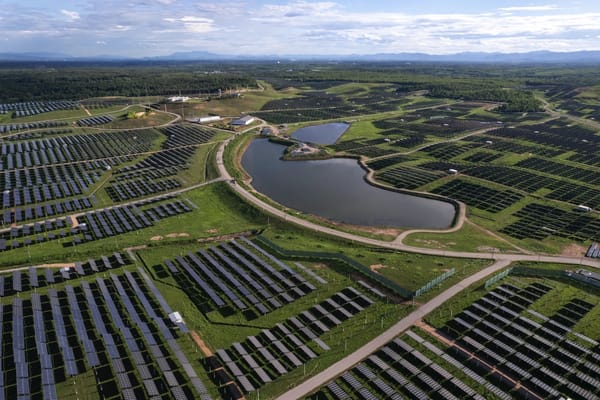
In our previous blog post discussing the Energy Transition Roadmap for Electrical Utilities, we looked at challenges and solutions for achieving Energy Transition objectives for the fundamental aspects of power systems – namely power generation, transmission and distribution, and customer demand. Today, we shift our focus to the technology needed to

Critical infrastructure continues to emerge as a prime target for various types of cybersecurity breaches. Between June and December, 2025, the widely used text editor Notepad++ became the focal point of a sophisticated supply chain attack [1][2]. Through communication with Notepad++'s previous hosting provider as well as
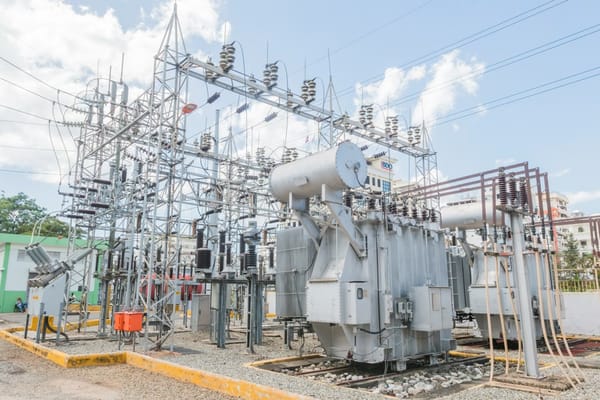
In the era of accelerating climate change, the path to a sustainable future is more crucial than ever.

AI demise?, NERC Reliability, Behind the Meter

Market Moves, Natural Gas Drivers

Tariffs and Natural Gas?, FERC 2222

Natural Gas, Grid Testimony, Eskom

Injection Season, Data Center Trip, Captive Gas

EIA STEO REVIEW

Energy Market Update 🔌
Natural Gas Rally, Data Center Rates, Tariffs

Energy Market Update 🔌
Gas Pullback, Coal Plant Life Extended, Datacenter Drama

Energy Market Update 🔌
More Cold?, FERC Data Center, FERC Capacity

Energy Market Update 🔌
Winter is Alive, EIA STEO, Baseball is Back!

Energy Market Update 🔌
Nat Gas, Plans for Headline Risk, Gold

Energy Market Update 🔌
Winter is Over!, PJM Load, ISO Cold Weather

Energy Market Update 🔌
Natural Gas, ISO All Good, New Chair

Energy Market Update 🔌
Winter Cometh, EIA STEO, Dunkelflaute

Energy Market Update 🔌
Gas/Electricity rally, Power Import by State, Nameplate Capacity Factor

Energy Market Update 🔌
NERC Reliability(ish), LNG Tariff, Oh Canada

Energy Market Update 🔌
Natural Gas, EU-Electricity, MISO BOD

Energy Market Update 🔌
Weather, Gas Storage, Duck Curve

Energy Market Update 🔌
Natural Gas Rally, ERCOT Crypto, EIA Grid Infrastructure

Energy Market Update 🔌
MISO winter good, EV?, Natural Gas

Energy Market Update 🔌
Market Data, PJM Capacity

Energy Market Update 🔌
Electricity Yawner Prices, Aging Grid